Mount Julian: From Cadet Training Grounds to the Antarctic Map
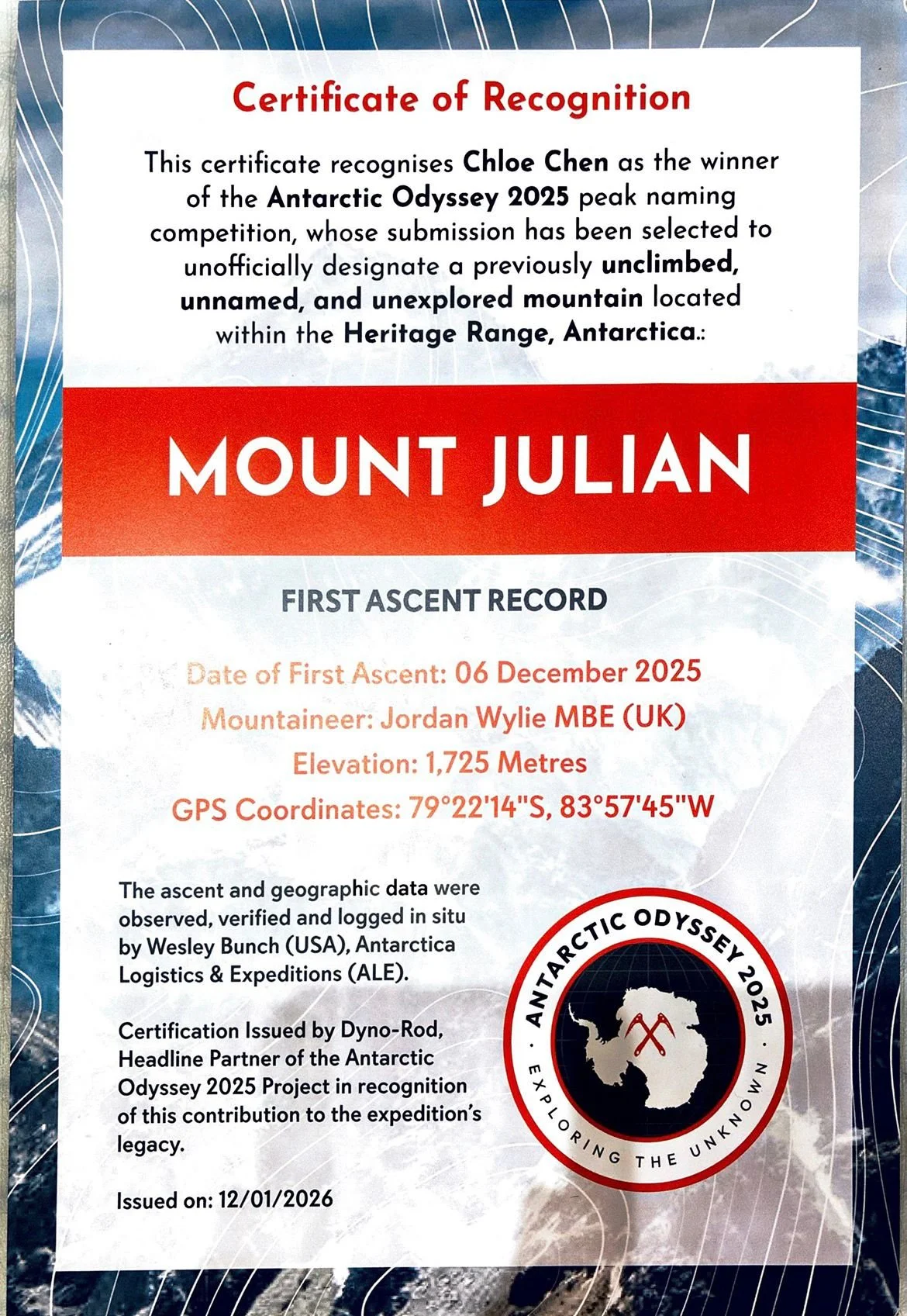
In one of the most remote places on Earth, a previously unexplored peak in Antarctica now carries a name with deep personal meaning: Mount Julian. The naming came after Julian’s family won a public poll connected to a landmark Antarctic expedition led by British explorer Jordan Wylie MBE.
While the expedition itself was Jordan’s alone, the name Mount Julian now forms a powerful and symbolic link between a world-class explorer and the values, skills, and opportunities fostered through the Army Cadet Force.
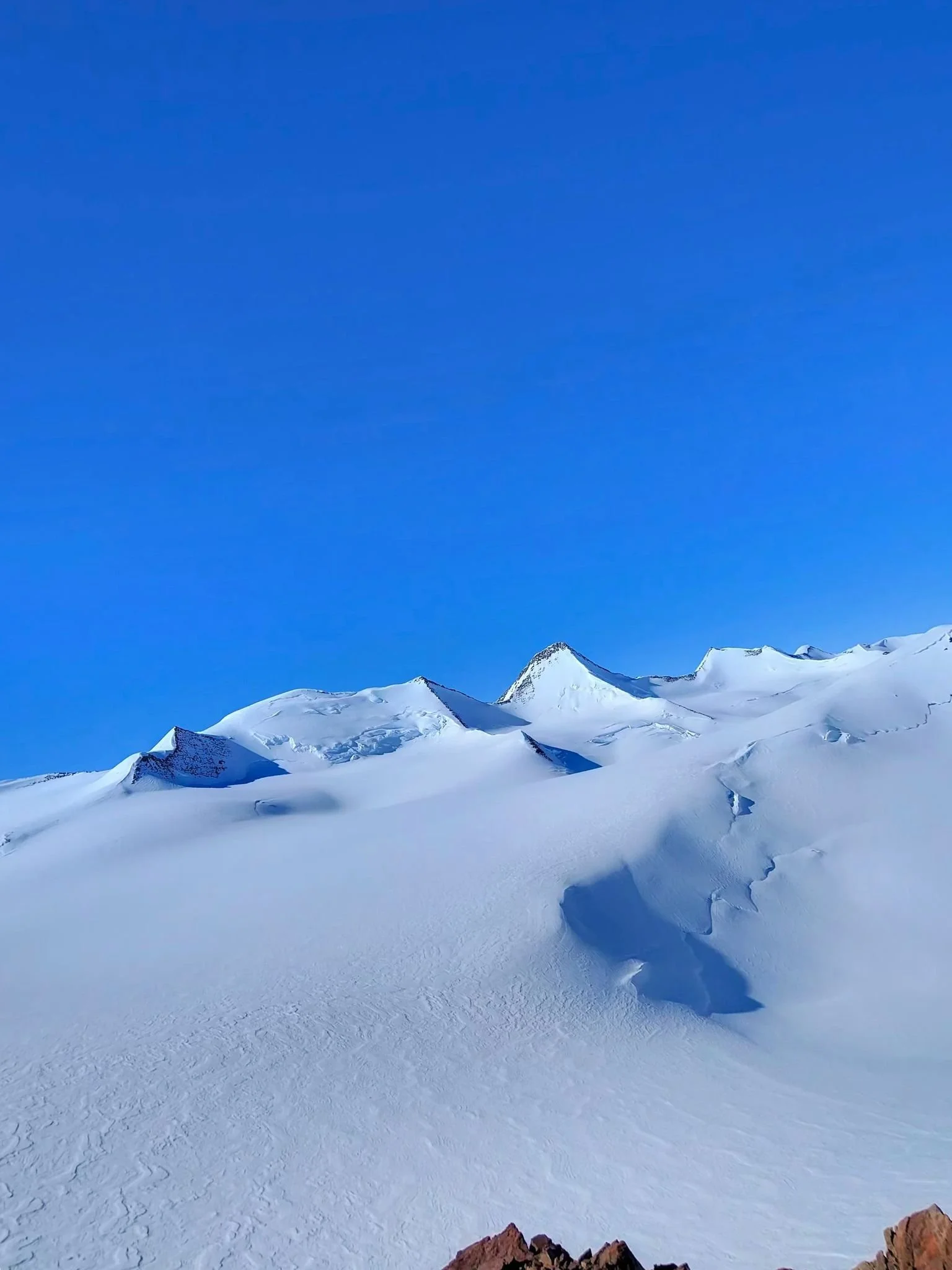
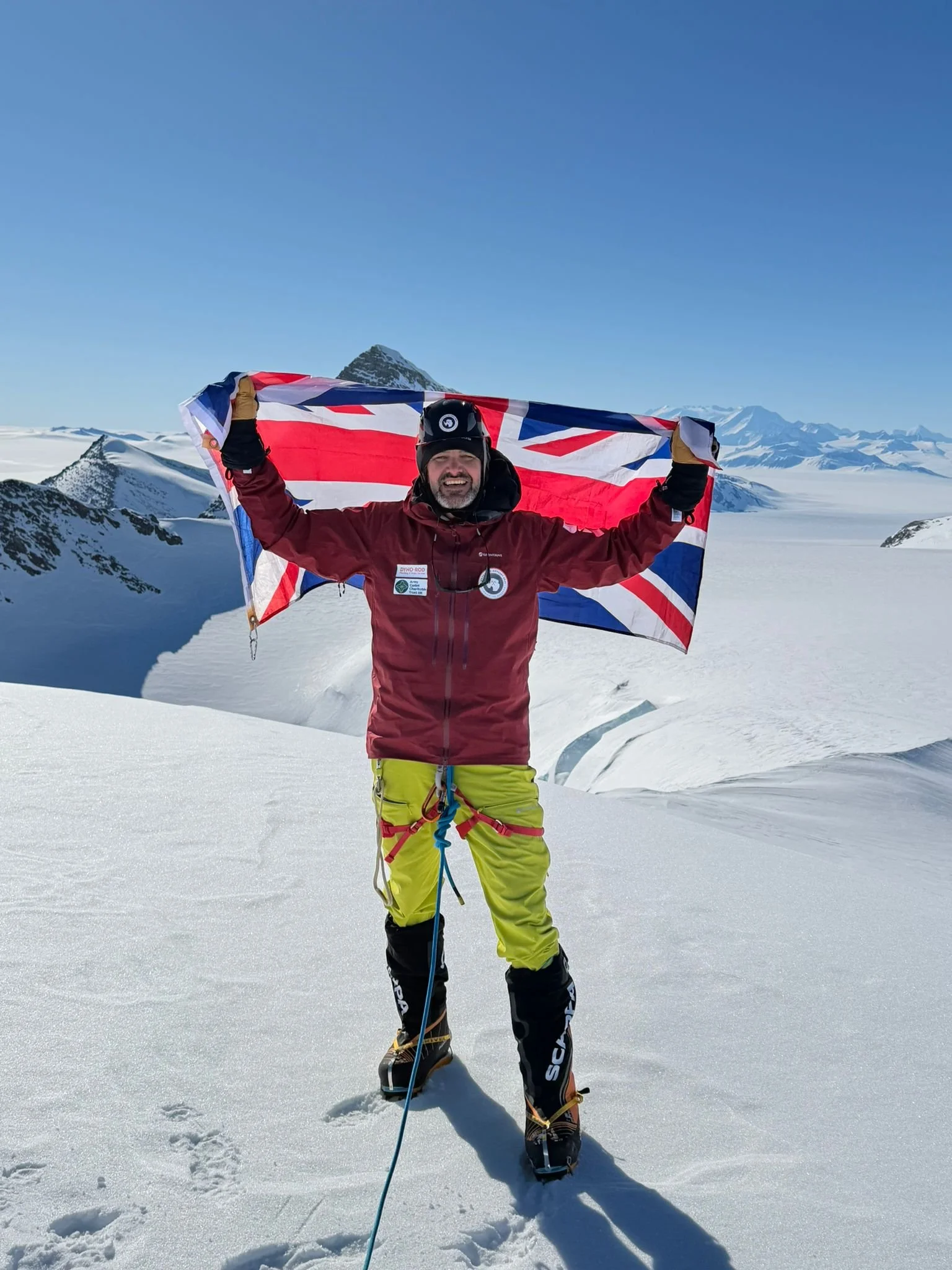
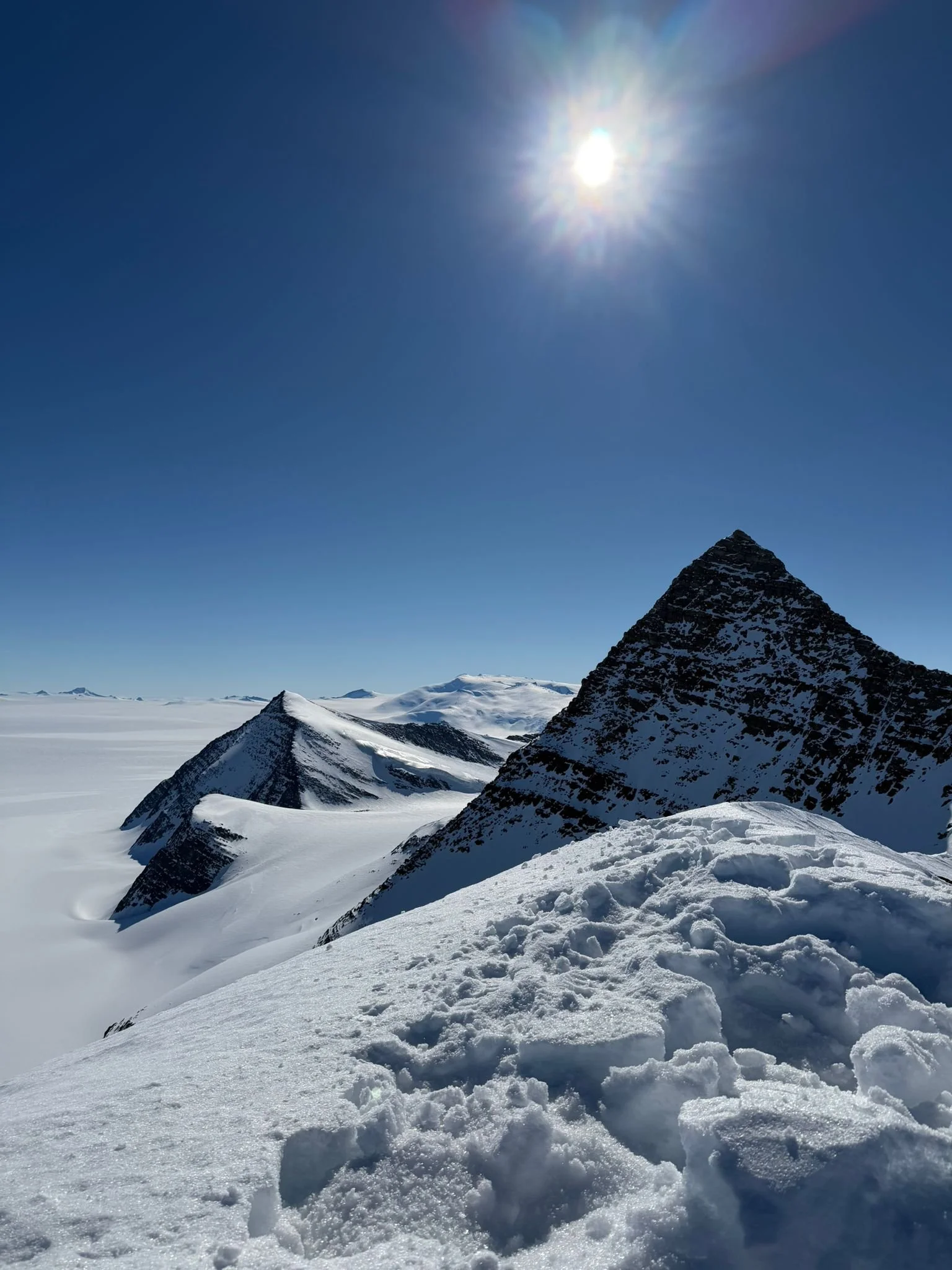
Jordan Wylie MBE and the Antarctic Expedition
Jordan Wylie MBE - former British Army soldier, adventurer, author, and National Ambassador for the Army Cadet Force - undertook a major Antarctic expedition to climb an uncharted and previously unexplored peak in the Ellsworth Mountains.
The expedition was a solo and self-driven endeavour, requiring months of planning, extreme endurance, and advanced mountaineering skill. Alongside the physical challenge, Jordan set out to raise significant funds for the Army Cadet Charitable Trust UK (ACCT UK), the official charity supporting Army Cadets across the country.
His fundraising target was £100,000, with funds raised going directly toward:
Expanding opportunities for young people
Supporting cadets from disadvantaged backgrounds
Providing access to training, adventure, and leadership development
The successful summit marked both a geographical first and a charitable milestone.

The official Headline Partner for this Expedition was DYNO-ROD and the Charity Parnter was the Army Cadet Charitable Trust UK
Find out more about Jordan and his Adventures Jordan Wylie, Extreme Adventurer & Bestselling Author or specifically about the this adventure: Jordan Wylie’s Antarctic Odyssey 2025 Begins | Army Cadets UK
How the Peak Became ‘Mount Julian’
Following the expedition, a public poll was held, giving supporters and families the opportunity to name the newly climbed peak. Julian’s family took part, and won.
As a result, the mountain was named Mount Julian, ensuring that Julian’s name is now permanently associated with a place that represents endurance, challenge, and achievement in one of the harshest environments on Earth.
This naming was not due to inspiration or involvement in the expedition itself, but rather a meaningful outcome of the poll, a gesture that now carries lasting significance.


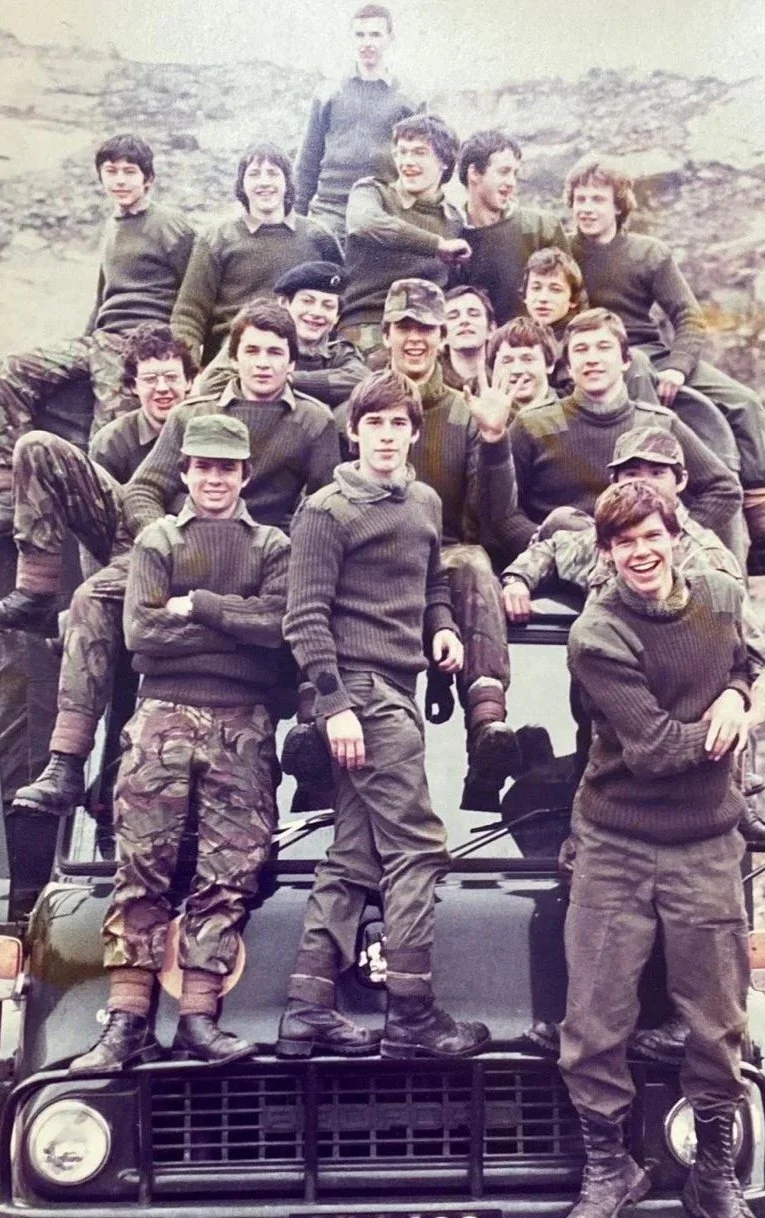
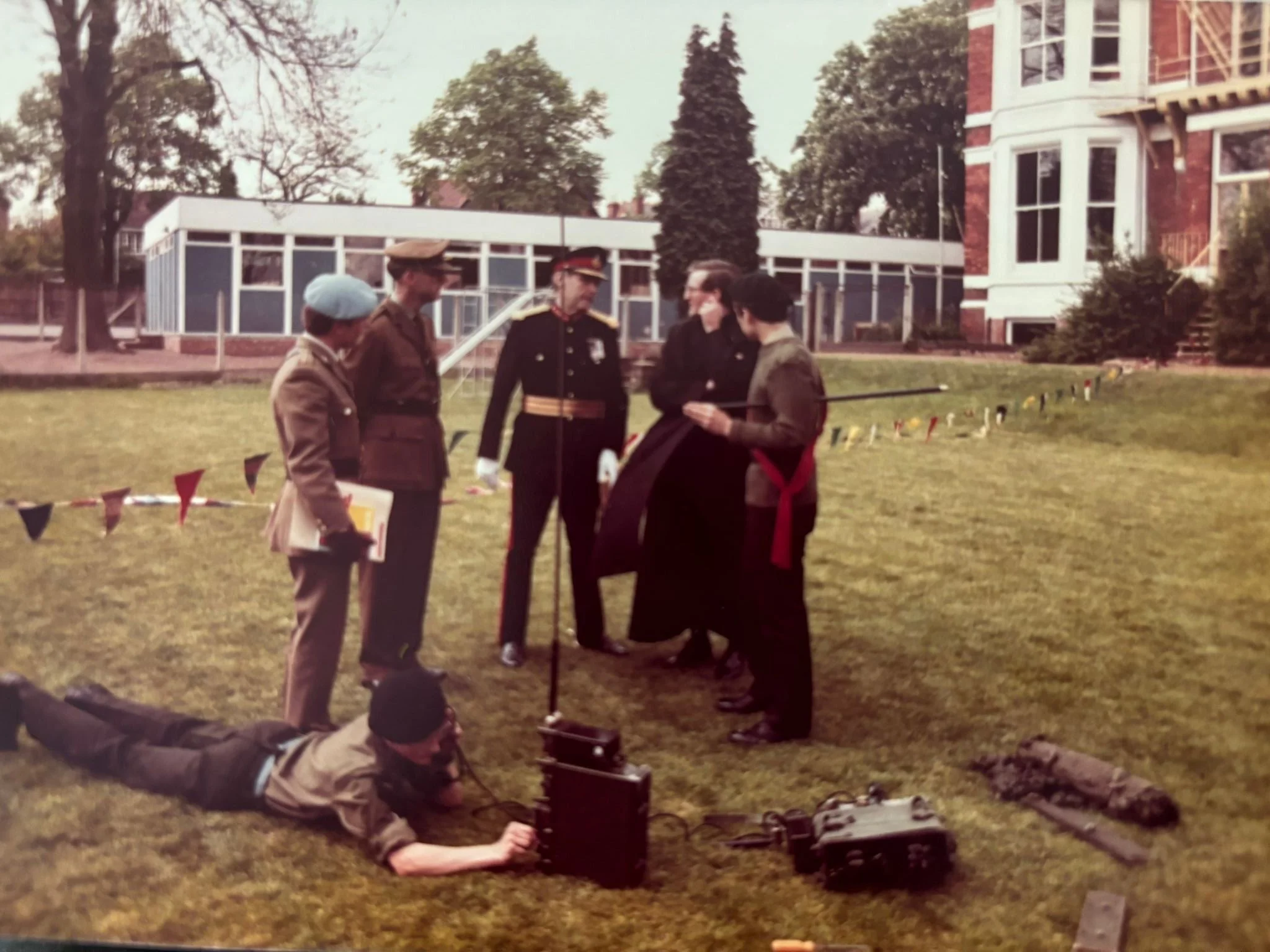
Julian and the Army Cadets
Julian’s own journey through the Army Cadet Force reflects many of the qualities celebrated by both the cadets and explorers like Jordan Wylie.
Marksman: During his time as a cadet, Julian was recognised as a marksman, ranking among the top shooters for his age group, demonstrating focus, discipline, and precision.
BREMEX Mountaineering Course: At 17–18 years old, Julian completed a year-long BREMEX course, designed to develop advanced outdoor and leadership skills. The training covered:
Mountaineering techniques
Camping and expedition living
Orienteering and navigation
Rock climbing and rope skills
Teamwork and leadership under pressure
The course demanded commitment, resilience, and trust - qualities that stay with cadets long after the training ends.

A Shared Thread of Values
While Jordan Wylie’s Antarctic expedition was entirely independent, both stories are connected by the Army Cadet ethos: challenge, self-discipline, resilience, and personal growth.
Today, Mount Julian stands not only as a physical landmark in Antarctica, but as a reminder of:
The impact of cadet training on young lives
The opportunities created through charities like ACCT UK
How names, stories, and experiences can become part of something far bigger than themselves
From cadet ranges and mountaineering exercises to the frozen peaks of Antarctica, the journey behind Mount Julian is one rooted in dedication, achievement, and legacy.